How to Digitize Vinyl Records Properly
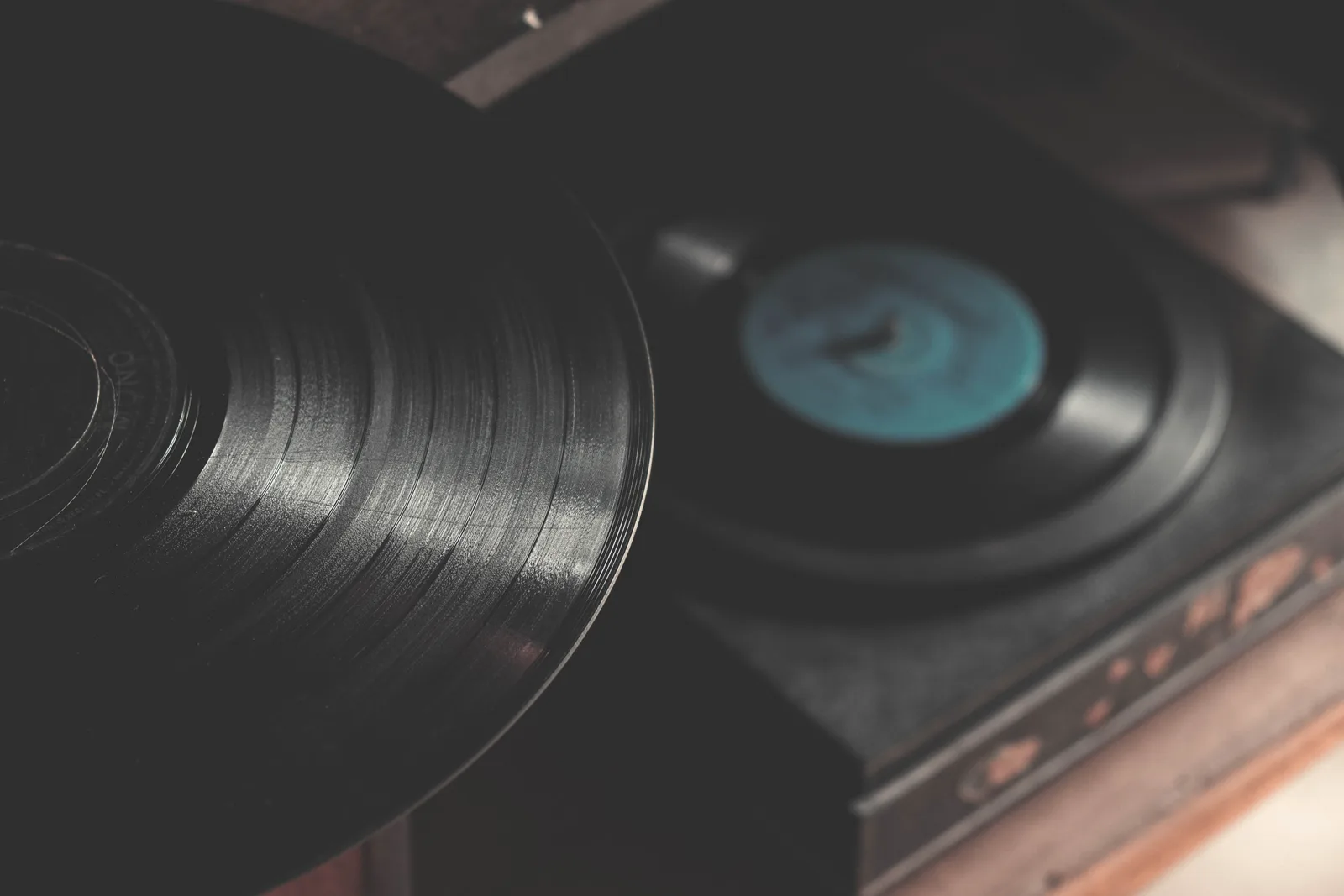
How to digitize records, USB turntable versus audio interface, the settings that matter, why click removal needs restraint, and which records are worth the hours.
Choose a state or territory from the list or map, or search for a town or shop.
No matching state or territory. Try another name.
Vinyl 101 / The listening starts here
Your first turntable. Your next used find. Learn the basics of buying, playing, and caring for records, one lesson at a time.
Explore Vinyl 101How to digitize records, USB turntable versus audio interface, the settings that matter, why click removal needs restraint, and which records are worth the hours.
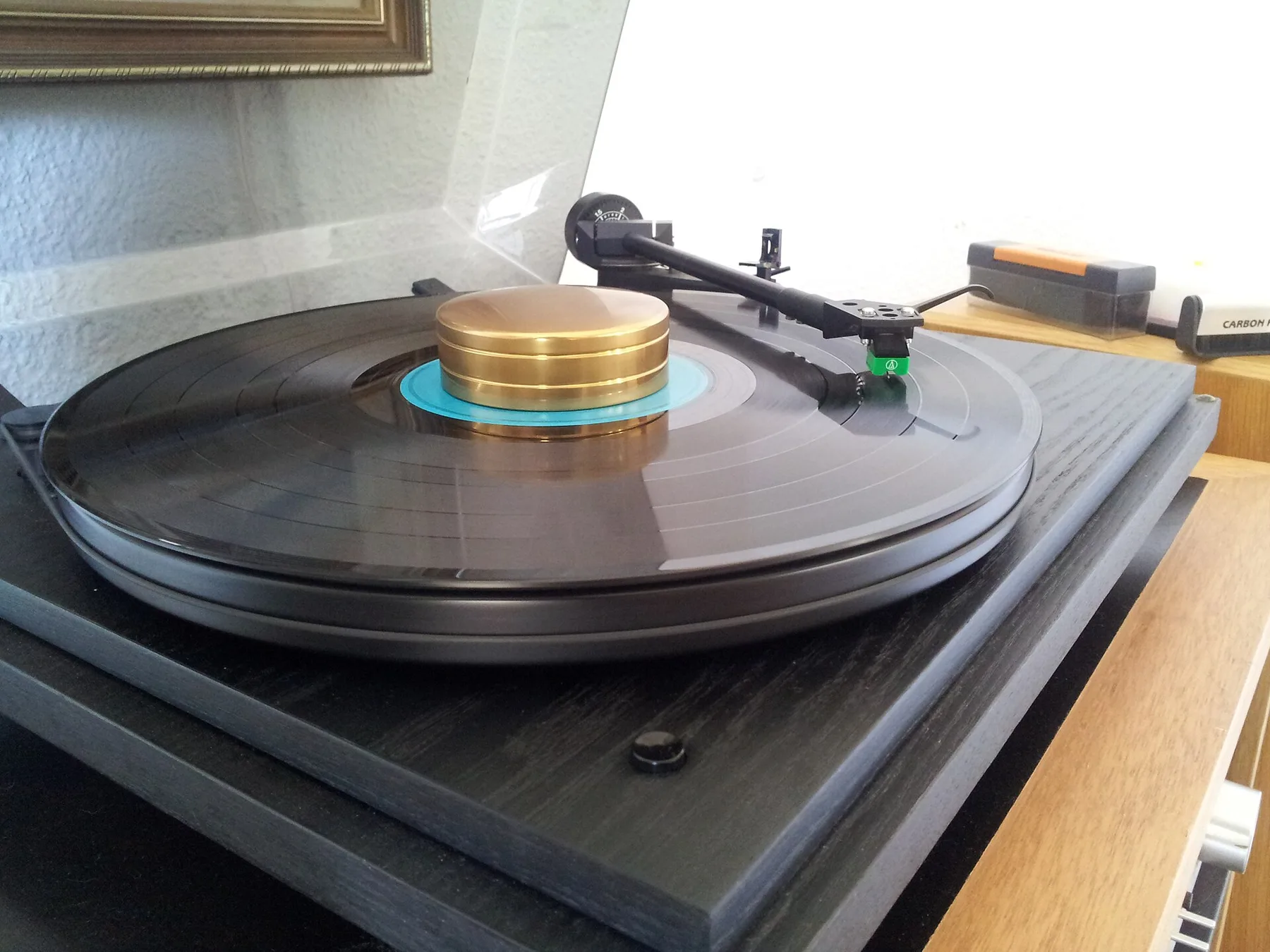
Which turntable accessories change how your records sound and last, which depend on your setup, and which are mostly decoration. Sorted honestly, with a tap test.
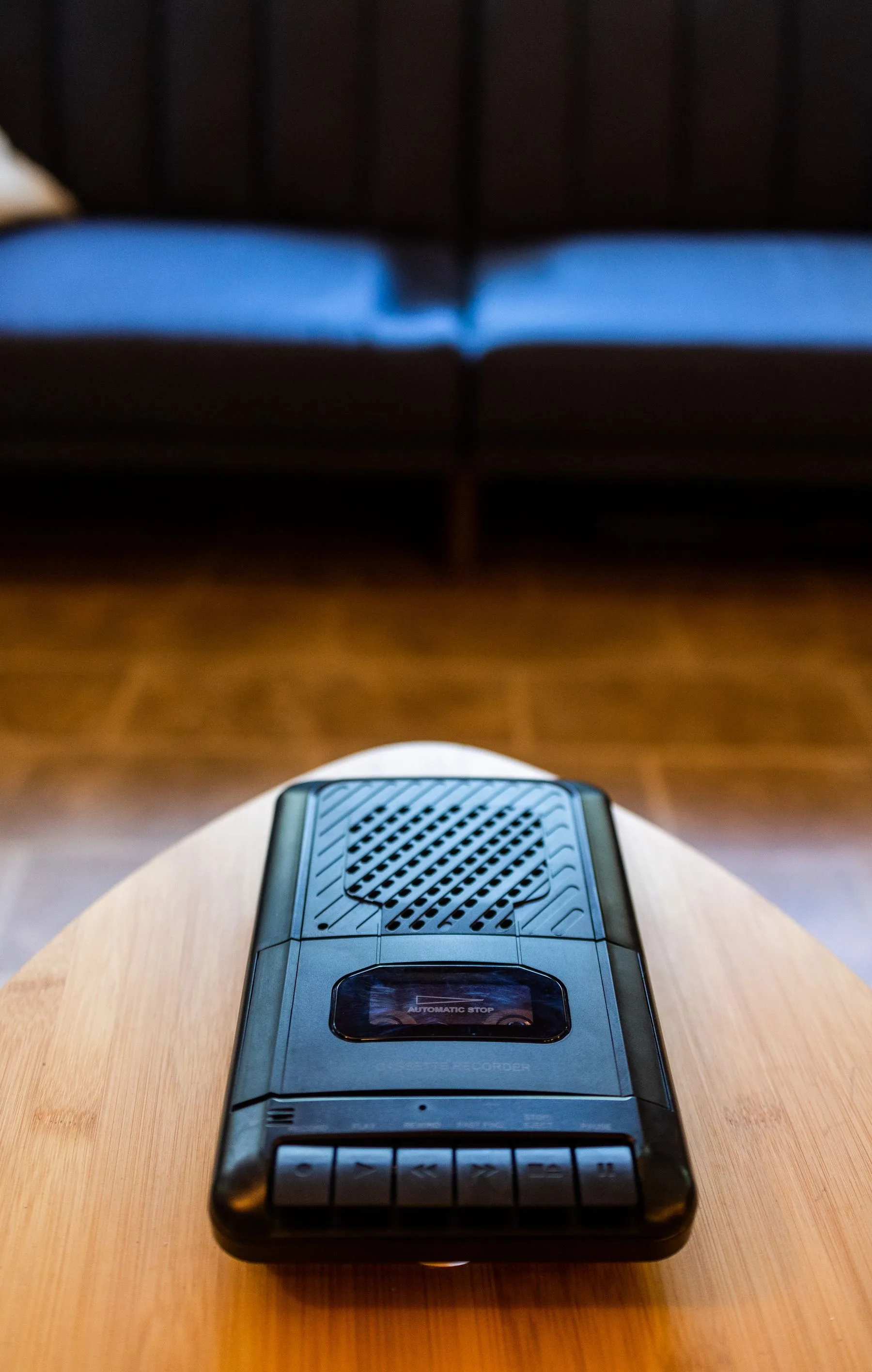
How to buy a cassette player or deck, why belts are the thing that fails, tape types and Dolby explained, and how to care for tapes without ruining them.
Before you hit the bins
Finding a shop, planning Record Store Day, or buying your first used LP? Start here.
Links take you deeper into our guides and directly to the sources. Store policies and stock can change; confirm details with the shop.
Search this directory by town, state, ZIP code, or shop name, then open a store profile for its location and available contact details. If you are planning a trip, start with a state and narrow your search to the towns you will actually visit. The map is useful for comparing nearby stops; the record sleeves offer the same state browsing on smaller screens.
Before making a special journey, check the shop’s own website or call to confirm opening hours, accessibility, and the formats you want. A directory listing is not a live inventory feed. For ideas beyond your nearest shop, explore our store stories and area guides in The Stack.
Use the official Record Store Day store finder to check participating shops, then confirm this year’s plans with the shop itself. Being listed in Record Store Directory does not mean a store is an official Record Store Day participant, and participation does not establish that a particular release is in stock.
Make a short list of nearby shops and ask about opening time, queues, accessibility, and where they publish stock updates. Keep the artist, title, and format handy when asking about a release. Our Record Store Day shopping guide can help you plan the visit, but the shop’s latest announcement is the place to check its arrangements.
Record Store Day celebrates independent record shops with special releases and events. It is an occasion to visit a participating shop, discover music, and support the people behind the counter. The official Record Store Day website publishes event news and release information; check it for the current date rather than relying on an old article or social post.
For your visit, set a budget, rank the records you would most like to find, and read your chosen shop’s instructions. Ask how its queue works and whether events affect normal browsing. Rules can be specific: 10,000 Hz Records’ published FAQ, for example, sets purchase limits and explains its RSD return policy. Our planning guide covers preparing a wish list and making the most of the trip.
Start with participating independent shops and compare your wish list with the official special-release listings. Check the edition and format carefully. A similarly named standard album, picture disc, CD, or later pressing may not be the version you want.
Ask the shop where it posts availability and when any remaining stock may be offered online. Do not treat a release announcement, an order request, or a listing in this directory as a reservation. Before buying from a reseller, check the exact edition, condition, total cost, and seller’s terms. For an online marketplace purchase, Discogs’ buying-safety guidance is a useful reference. Read our guide to pressings and reissues if the different editions are confusing.
Choose a nearby town in the directory, open the shop profiles, and look for descriptions of used or secondhand stock. Follow the shop’s website link or call if the description does not answer your question. Ask about the genres and formats you collect, not just whether the store sells vinyl. A shop with a large used jazz section may be a different destination from one specializing in new metal releases.
Ask whether used records are visually inspected or play-tested, whether listening is available, and what happens if a record has an undisclosed problem. Our new-versus-used buying lesson is a starting point. For condition terminology, compare the description with Discogs’ Goldmine-based grading definitions.
Contact a record shop that buys collections before carrying your records in. Describe roughly how many you have, the artists or genres, the formats, and their condition. Photos of representative titles, labels, and sleeves can help the buyer decide whether to arrange a visit. Ask whether buying requires an appointment and whether the shop wants the whole collection or selected records.
You can also sell individual records through a marketplace, but you will be responsible for describing, packing, and shipping them. Discogs explains its selling process. For a shop-sale example, see Amoeba’s buy, sell, and trade information; its terms are not universal. Learn the terminology in our record-grading lesson before describing your collection.
There is no single fair price for an album title. Compare the exact pressing, format, condition, and included packaging. A used reissue, a clean first pressing, and a new multi-disc box set are different purchases even when the music overlaps. Set a budget for the copy you want to listen to, rather than assuming the oldest or most expensive edition is necessary.
Discogs’ sales history shows recent completed transactions for a release and is a better comparison than an unusually high asking price alone. Account for condition, shipping, and what the seller is actually including. Our pressings and reissues guide helps you understand why two copies may carry different prices. A shop’s offer to buy your record is also different from its retail selling price.
Ask permission to remove the record, then hold it by the edges and label area. Inspect both sides in good light for scratches, warping, and visible contamination. Check that the label matches the sleeve and inspect the jacket, inner sleeve, and any promised inserts separately. If the shop offers a listening station, ask to hear any questionable passage. A visual check alone cannot tell you exactly how a record will play.
In Discogs’ grading standard, Near Mint is close to perfect, while VG has audible wear. “Good” is a condition category, not a promise of quiet playback. Our grading lesson introduces the vocabulary. Follow the Library of Congress handling advice: keep fingers off the playing surface.
Some do all three; others only sell records or buy selected styles and formats. Check each shop’s policy rather than assuming every location in the directory accepts trade-ins. Ask about cash versus store credit, buying hours, identification requirements, and whether records need to be evaluated before an offer can be made.
Store credit and cash may have different values. Amoeba’s published policy, for example, offers both options. That is one retailer’s arrangement, not a directory-wide rate. Before agreeing to a trade, ask which records the offer covers and whether any credit has restrictions. If you are buying used records with the proceeds, our guide to shopping at a record store can help you inspect a purchase and ask useful questions.
Start with music you already enjoy, a budget you can comfortably keep, and a playback setup that suits your space. You do not need a rare pressing or a large collection to begin. Tell the staff a few artists you like and ask for one or two recommendations. Our Vinyl 101 series covers the basics, including choosing a first turntable and building a starter collection.
Make record care part of the habit from the beginning. The Library of Congress recommends upright storage, careful edge-and-label handling, and avoiding direct light and environmental extremes. Read our record-care lesson for the next steps. A few records you play often are a better starting point than a shelf of purchases you felt pressured to make.
The RSD mailing list
A little record-shop conversation in your inbox.